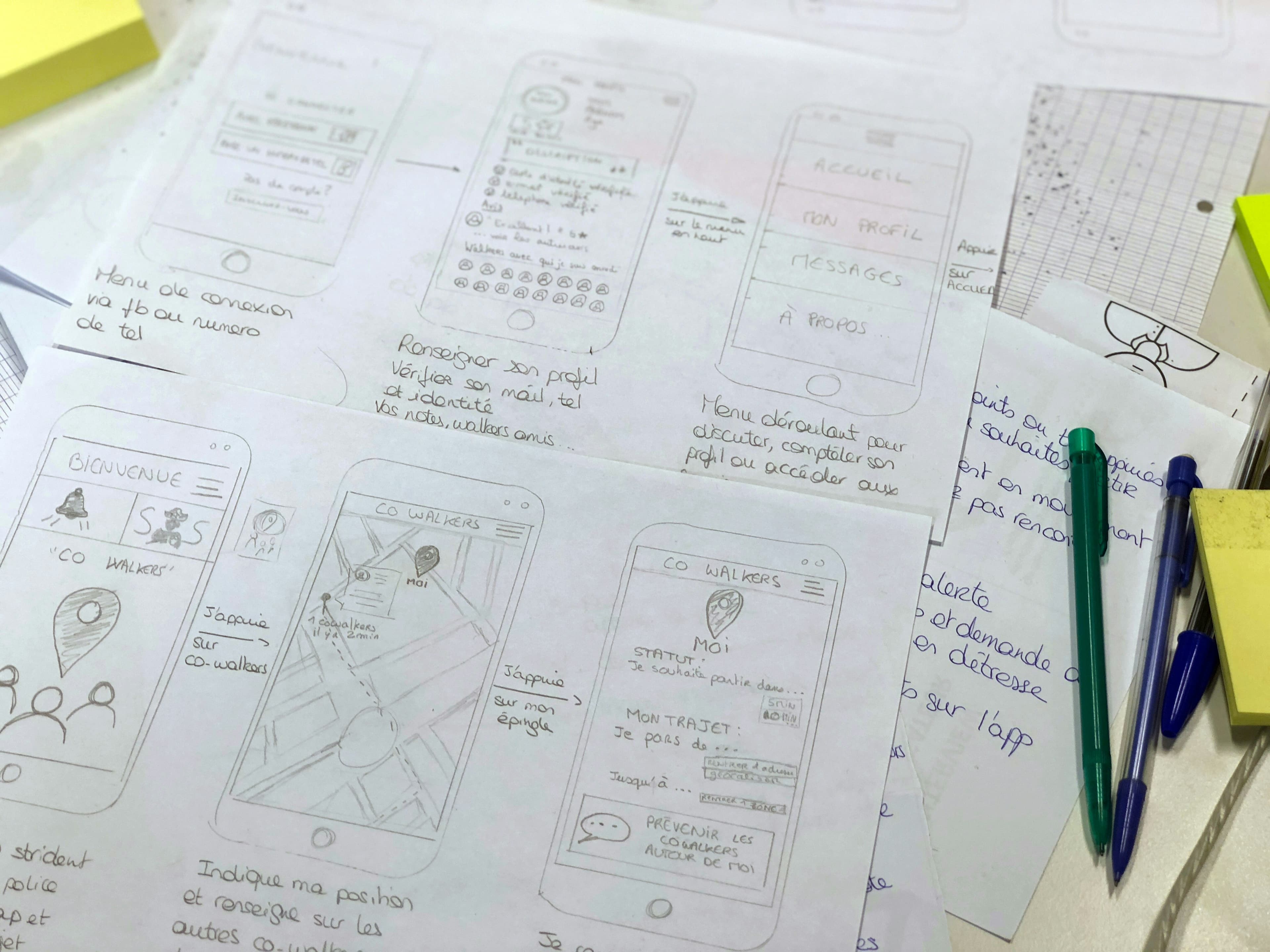
Designing digital products for Gulf audiences requires a deep understanding of cultural context, visual preferences, and interaction patterns that differ significantly from Western design conventions. Having worked on 30+ digital products for UAE and Saudi clients, I've learned that successful Arabic-first design is about cultural resonance, not just technical RTL implementation.
Cultural Context in Visual Design
Gulf users respond strongly to visual richness and detail. While Western design trends have moved toward extreme minimalism, Gulf audiences often prefer designs with more visual depth, richer color palettes, and more elaborate decorative elements — particularly in luxury, hospitality, and government sectors.
“The most common mistake Western designers make when designing for Gulf markets is applying their minimalism aesthetic without understanding that visual richness signals quality and trustworthiness in this cultural context.
Typography for Arabic Digital Products
Arabic typography is a craft in itself. The choice of Arabic typeface dramatically affects readability, brand perception, and cultural resonance. For digital products, we recommend pairing a modern Arabic typeface like Almarai, Cairo, or IBM Plex Arabic with a complementary Latin typeface.
- Almarai: Clean, modern, excellent screen readability — ideal for apps and dashboards
- Cairo: Geometric, contemporary — works well for tech and fintech products
- Tajawal: Friendly, approachable — great for consumer apps and e-commerce
- IBM Plex Arabic: Professional, technical — perfect for enterprise software
- Noto Sans Arabic: Comprehensive Unicode support — good for multilingual products
Navigation Patterns for RTL Interfaces
Navigation in RTL interfaces is not simply mirrored from LTR. The reading direction means users naturally scan from right to left, so primary navigation elements, CTAs, and key information should be positioned accordingly.
Sidebar navigation should appear on the right in RTL mode. Breadcrumbs flow right to left. Progress indicators move from right to left. These are not just aesthetic choices — they align with the natural reading flow and reduce cognitive load for Arabic-speaking users.