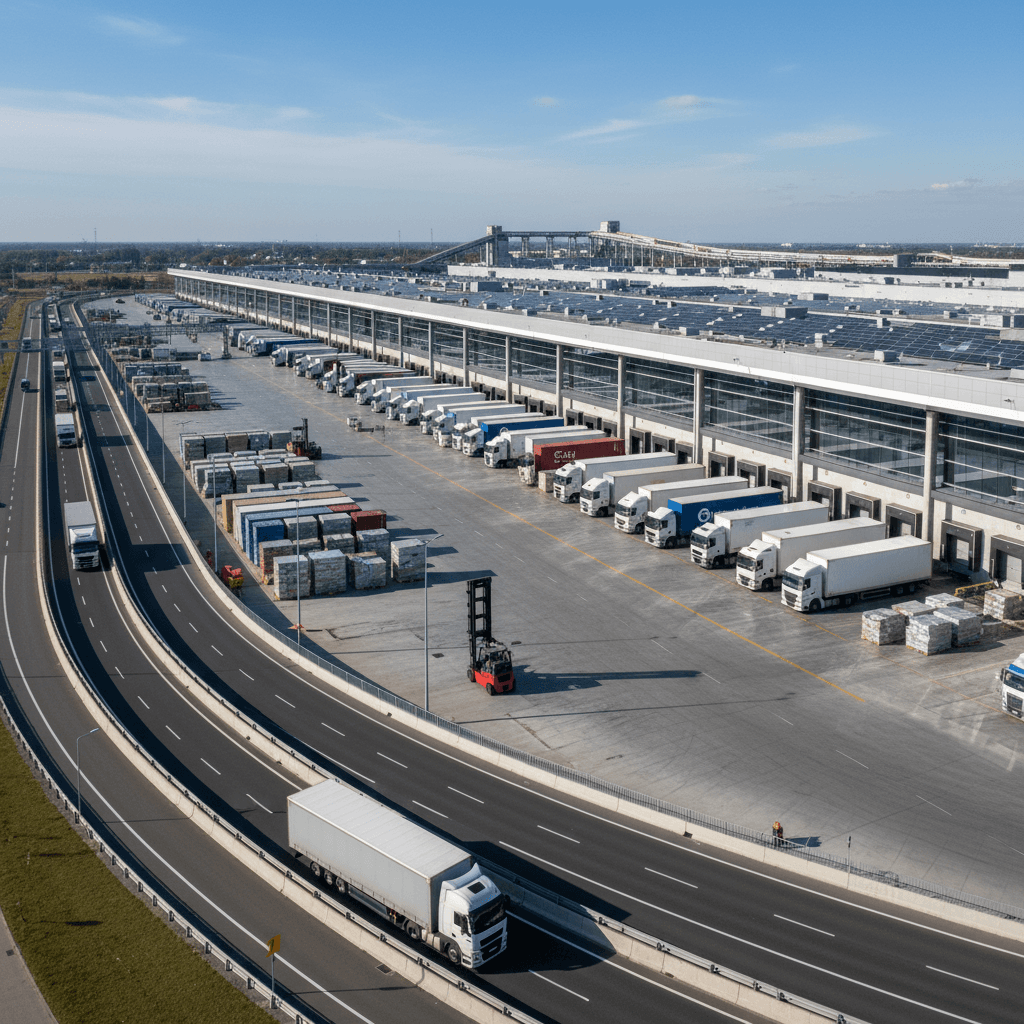
The UAE's strategic position as a global logistics hub — home to Jebel Ali Port (the largest port in the Middle East), Dubai International Airport (one of the world's busiest cargo airports), and DP World (a global port operator) — makes it uniquely positioned to lead in ML-driven supply chain innovation.
The Scale of UAE Logistics
Dubai alone handles over 15 million TEUs (twenty-foot equivalent units) of container traffic annually. The UAE's free zones — JAFZA, DAFZA, KIZAD — house thousands of logistics and trading companies. This concentration of logistics activity creates massive datasets that ML models can leverage for optimization.
“Every container that moves through Jebel Ali generates data points that, when analyzed at scale, reveal patterns invisible to human planners. ML is turning this data into competitive advantage.
Demand Forecasting with Machine Learning
Traditional demand forecasting relies on historical averages and seasonal adjustments. ML-based forecasting incorporates hundreds of variables — weather patterns, geopolitical events, social media sentiment, commodity prices, shipping lane congestion — to produce significantly more accurate predictions.
- 25-40% reduction in inventory holding costs through better demand prediction
- Real-time route optimization reducing last-mile delivery costs by 15-20%
- Predictive maintenance for warehouse equipment reducing downtime by 30%
- Automated customs documentation processing reducing clearance time from days to hours
- Dynamic pricing models for freight that respond to real-time market conditions