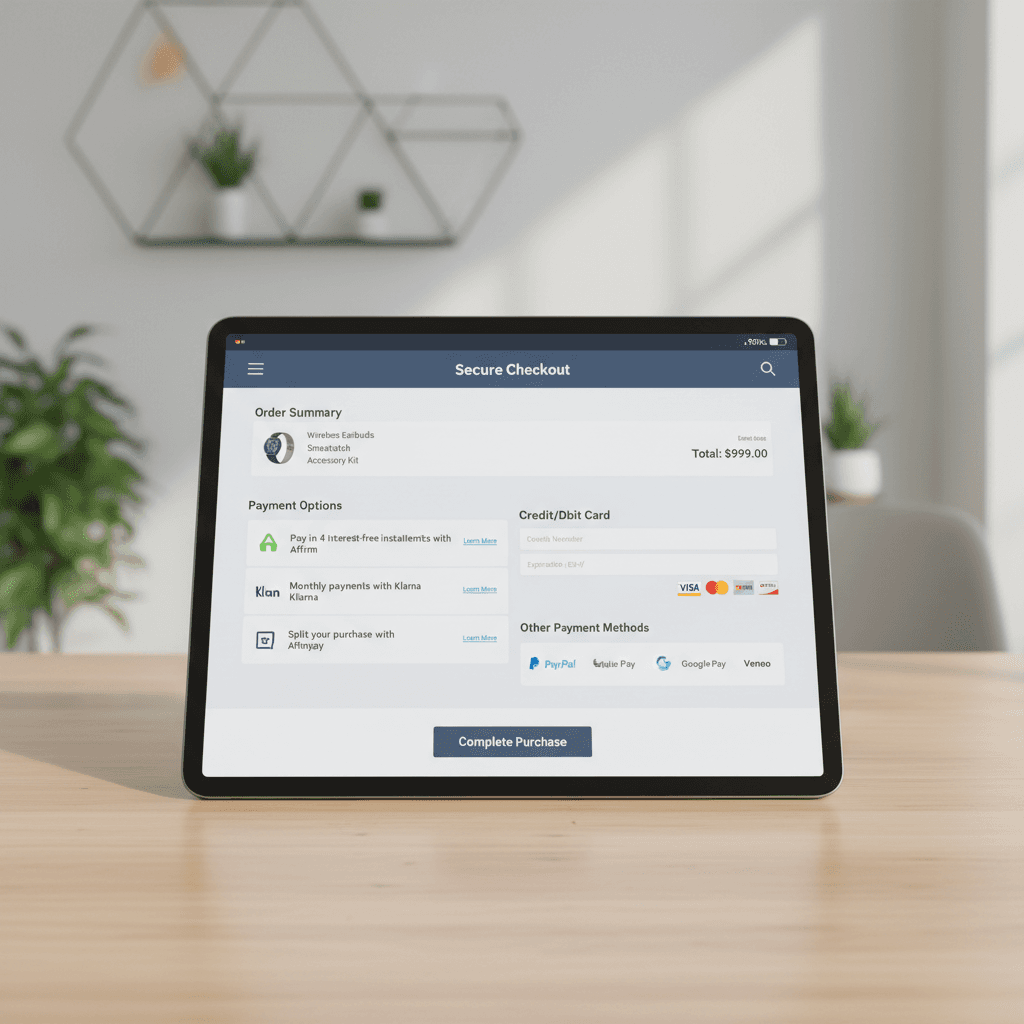
The UAE e-commerce market reached $9.2 billion in 2024 and is projected to exceed $17 billion by 2027. With Noon.com, Amazon.ae, and dozens of vertical-specific platforms competing for the same consumers, conversion rate optimization has become a critical competitive advantage.
Understanding UAE Online Shopping Behavior
UAE consumers are mobile-first shoppers — over 70% of e-commerce transactions occur on smartphones. They are also highly brand-conscious and respond strongly to social proof, particularly from influencers and peer reviews. Trust signals are paramount: UAE consumers are more likely to abandon a checkout if they don't see familiar payment logos and security badges.
“In the UAE, trust is the currency of e-commerce. Every design decision should ask: does this make the user feel safe, confident, and respected?
High-Converting Product Page Patterns
Product pages in the UAE market perform best when they lead with high-quality imagery (multiple angles, zoom capability, lifestyle shots), followed by clear pricing with VAT included (UAE consumers are sensitive to price surprises at checkout), and prominent delivery time estimates.
- Show "Delivered by [specific date]" rather than "3-5 business days"
- Display stock levels ("Only 3 left") to create urgency without being manipulative
- Include Arabic product descriptions even for English-primary sites
- Show payment installment options prominently (Tabby, Tamara are widely used in UAE)
- Display trust badges: secure payment, easy returns, authentic products